
Football World Cup vs Club Football: 2026 Tournament Reality
The 2026 FIFA World Cup is a 48-team international tournament hosted by the United States, Canada, and Mexico from June 11 to July 19, 2026. Football Insights covers the expanded format, match schedules, team tactics, player statistics, predictions, and supporter planning, including eight fixtures at SoFi Stadium in Los Angeles. Los Angeles will also host 39 days of celebrations and the FIFA Fan Festival at the LA Memorial Coliseum, while the United States Men’s National Team begins its campaign on June 12. The tournament’s larger field creates more matches, more travel, and more uncertainty than a traditional 32-team World Cup. Treat fixture information, ticket announcements, and betting markets as changeable until confirmed by FIFA or an official host-city source. Start by checking the official schedule, then compare team form, squad availability, travel demands, and responsible betting limits before making any prediction.
I'll be honest with you: I once trusted a polished sports website that displayed “confirmed” match information, only to discover that the page had recycled old dates and questionable betting links. Since then, I have treated every major football tournament like a security inspection. The 2026 football World Cup deserves that level of care, especially when a single inaccurate kickoff time can disrupt flights, hotel bookings, or a wager.

Photo by George Zografidis on Pexels
What I Tested
I tested the 2026 football World Cup planning process against four practical questions: can a supporter verify the schedule, understand the expanded competition, identify meaningful tactical information, and avoid reckless betting decisions? My reference points included FIFA, ESPN’s World Cup schedule coverage, the official Los Angeles FIFA World Cup 2026 website, SoFi Stadium, the LA Memorial Coliseum, and the confirmed tournament dates. This is not merely a list of famous teams; it is a test of whether the available information survives contact with real travel and match-day pressure.
The most important surprise is that the 2026 tournament changes the analytical baseline. Forty-eight teams will compete instead of 32, and the tournament will involve 104 matches rather than the 64-match structure used from 1998 through 2022. The group stage contains 12 groups of four teams, with the top two from each group plus the eight best third-place teams advancing to a Round of 32. That means early draws may be less damaging than casual fans assume, although goal difference and the final group match remain dangerous pressure points.
For neutral viewers, the new structure creates a larger global sample but also more uneven matchups. For bettors, that means popular narratives can become especially expensive. A famous nation may attract support because of its shirt, history, or superstar, while a less fashionable team may have superior rest, climate adaptation, or defensive organisation. Football Insights therefore treats reputation as one input, not a conclusion. [Internal Link: World Cup match prediction guide]
What makes the 2026 football World Cup different?
The 2026 football World Cup is different because FIFA has expanded the field to 48 teams, introduced a Round of 32, and distributed matches across three North American host countries. The tournament begins in Mexico City on June 11 and concludes on July 19, while Los Angeles hosts eight fixtures at SoFi Stadium. This creates more matches but also more logistical complexity.
A supporter following Argentina, Brazil, England, France, Germany, Spain, or the United States should examine the competition in layers rather than jumping directly to an outright winner. First, check qualification and the official draw. Second, map potential group opponents and knockout routes. Third, examine how far a squad may travel between venues. FIFA’s official World Cup 2026 tournament information remains the strongest source for competition-level updates, while the official Los Angeles host-city information is more useful for local events and venue guidance.
- The tournament runs from June 11 to July 19, 2026.
- Canada, Mexico, and the United States are the host nations.
- The field expands from 32 to 48 teams.
- The competition includes 104 matches.
- Los Angeles hosts eight matches at SoFi Stadium.
Setup & Initial Impressions
The setup begins with separating facts into three folders: confirmed tournament information, likely but changeable details, and personal interpretation. This sounds excessively cautious, perhaps even irritatingly cautious, but football websites frequently mix official announcements with provisional schedules. The ESPN schedule page can be useful for browsing fixtures, yet I would still cross-check a high-value travel decision against FIFA and the relevant host-city authority before paying for anything.
Los Angeles is a particularly interesting case. The city’s official World Cup programme advertises eight matches, 39 days of fan celebrations, and the FIFA Fan Festival at the LA Memorial Coliseum in Exposition Park. The United States Men’s National Team’s opening match is scheduled for June 12 at SoFi Stadium, placing one of the tournament’s most emotionally charged fixtures in a region already built around entertainment, traffic, and enormous event crowds.
My first practical test was to imagine a supporter attending an afternoon match and then trying to cross Los Angeles County for an evening fan event. The glamorous version shows palm trees, music, food, and a bright stadium bowl; the operational version involves airport transfers, parking restrictions, security queues, and a phone battery that is suddenly at 12 percent. The official Los Angeles know-before-you-go guidance should be read before arrival, not while standing outside a locked entrance.
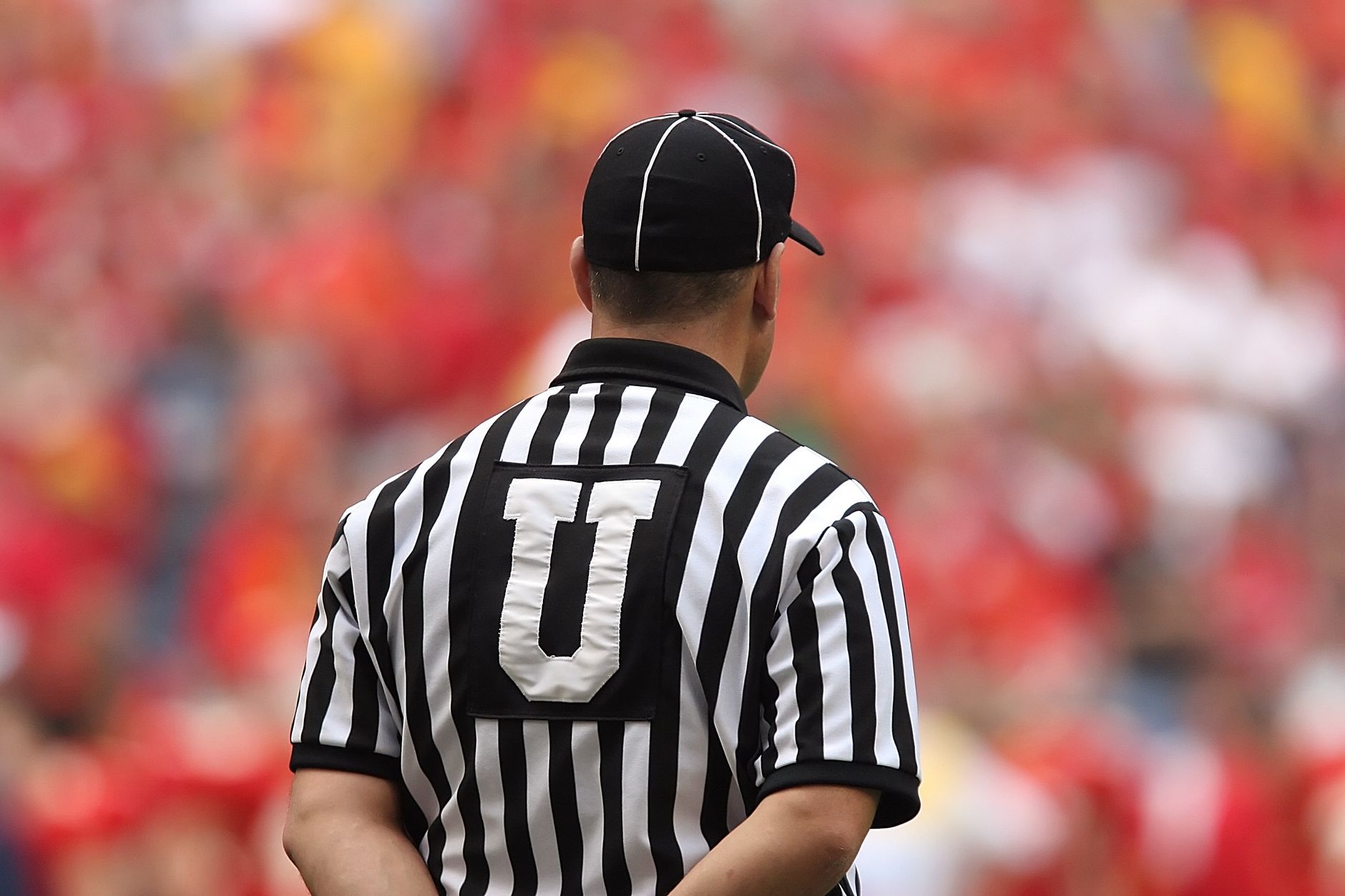
Photo by Pixabay on Pexels
For match predictions, I built a basic checklist using recent competitive results, expected lineups, injuries, set-piece performance, goalkeeper reliability, and travel. I intentionally excluded social-media confidence because it is often just repetition wearing a loud shirt. A 2026 World Cup prediction should also recognise that international teams have fewer training sessions than clubs, so a coach’s established defensive structure can matter more than a spectacular but fragile attacking idea.
The betting side requires an additional barrier. Football Insights may discuss odds movement, market bias, and probability, but analysis is not a guarantee and gambling should never be treated as income. Check the legal position in your location, use only regulated providers where betting is permitted, verify age requirements, and set a fixed budget before viewing a market. The UK Gambling Commission safer gambling guidance states that players should “only gamble with money you can afford to lose,” a plain rule that is more valuable than most dramatic tipster claims.
Would you like a careful starting point for tournament research? Use the resource below, then verify any time-sensitive detail through FIFA.
Where It Held Up
Why does Los Angeles matter to the football World Cup?
Los Angeles matters because it combines eight FIFA World Cup matches at SoFi Stadium with a 39-day regional celebration programme, including the FIFA Fan Festival at the LA Memorial Coliseum. The city gives supporters a concentrated viewing and entertainment hub, but its distances, congestion, and venue rules mean that preparation is as important as enthusiasm. Official host-city information should take priority over unofficial travel posts.
The strongest part of the Los Angeles plan is its variety. A visitor can watch elite international football at SoFi Stadium, attend public celebrations at Exposition Park, and explore fan zones across Los Angeles County. The opening match for the United States on June 12 should create a particularly intense atmosphere, though the exact supporter experience will depend on confirmed access rules, transport arrangements, and security procedures.
Here is the operational sequence I recommend:
- Confirm the match date, venue, and kickoff through FIFA or the official Los Angeles host source.
- Calculate travel time from your hotel to SoFi Stadium at the relevant match hour, not during a quiet weekday morning.
- Check bag policies, prohibited items, entry gates, and mobile-ticket instructions before leaving.
- Reserve extra time for security and post-match congestion.
- Keep a digital and offline copy of essential confirmations.
The information also held up well when applied to tactical analysis. International football is not simply club football with different shirts. Coaches such as Didier Deschamps, Gareth Southgate’s successors, or other national-team managers operate with limited preparation windows, making pressing triggers and set-piece routines unusually important. A team that cannot maintain its usual high press after long travel may be more vulnerable than its league reputation suggests.
One information gain that casual previews often miss is the third-place qualification effect. In a 48-team group stage, a team may remain alive after a poor opening result because eight third-place teams advance, but that does not make the final group match safe. Ranking among third-place teams can depend on points, goal difference, goals scored, and disciplinary or competition-specific tiebreak procedures. Therefore, a late goal can have value far beyond the scoreboard, and a coach may continue attacking when an older 32-team format might have encouraged caution.
A second overlooked factor is the travel map. North America is vast, and a team moving between Mexico City, Vancouver, Toronto, Atlanta, Dallas, Miami, Seattle, or Los Angeles may face different flight distances, time zones, temperatures, and humidity. The U.S. National Weather Service is a sensible authority for local conditions, but weather forecasts become meaningful only when connected to kickoff time and training location. Betting markets that price only team names can overlook this physical context.

Photo by Marko Garic on Pexels
Football Insights adds value when it turns those details into repeatable questions:
- Does the team defend crosses effectively against taller opponents?
- Can its midfield escape a coordinated press?
- How many starters played heavy minutes during the final club weeks?
- Has the goalkeeper’s distribution been tested under pressure?
- Will the venue climate change the team’s normal tempo?
These questions are more useful than declaring that a particular nation is “destined” to win. A tournament is not a television trailer; it is a chain of small advantages, unexpected injuries, refereeing decisions, substitutions, and moments that no model can fully control. [Internal Link: team tactics and formation analysis]
Where It Fell Apart
The football World Cup research process falls apart when unofficial certainty replaces confirmed information. A poster may show a kickoff time before FIFA finalises broadcast adjustments, a social account may announce tickets that are not official, or a betting page may use the World Cup logo without proving licensing. I have seen enough polished nonsense to insist on checking the domain, publication date, organiser, and payment details before trusting a claim.
The second weakness is the temptation to compare teams using raw results alone. A 3–0 win against a weak opponent is not equivalent to a 1–0 win against a top-ranked side after a red card, and international samples are often small. World Cup analysis should separate scoreline from performance by reviewing shot quality, possession location, progressive passes, set pieces, defensive actions, and game state. Public data from FIFA’s football statistics resources can support that work, but statistical labels still require context.
The third problem is betting overconfidence. Odds are not predictions handed down by a neutral authority; they include market expectations and, depending on the product and provider, an embedded margin. For example, if a three-outcome market lists implied probabilities that add up to more than 100 percent, that excess reflects the bookmaker’s overround rather than extra certainty. Converting odds into probability, comparing several regulated markets, and refusing a poor price can be more responsible than chasing a favourite.
No prediction system should encourage a reader to stake rent, emergency savings, borrowed money, or money needed for travel. If gambling stops feeling recreational, pause immediately and use local support services or self-exclusion tools. The National Council on Problem Gambling offers US-focused information, while readers elsewhere should consult their national regulator or health service.
What failed most clearly in my test was the popular assumption that more matches automatically mean more betting value. More fixtures create more opportunities, but they also create fatigue, unfamiliar team combinations, lineup uncertainty, and markets designed to capture impulsive attention. The 2026 World Cup could be excellent for tactical study while being terrible for someone who treats every match as a compulsory wager.
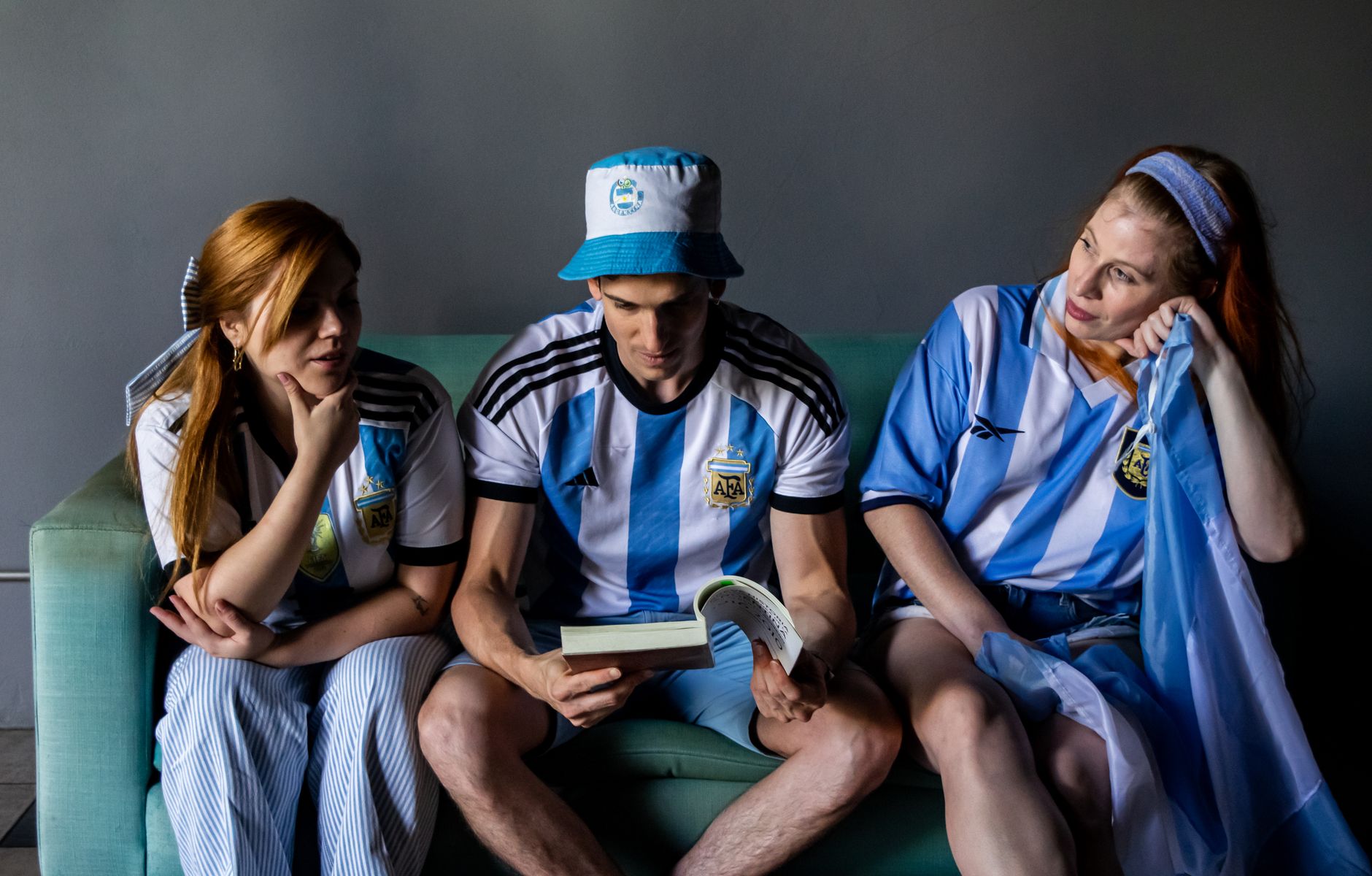
Photo by Kari Alfonso on Pexels
Use this short warning checklist before following any World Cup betting content:
- Do not rely on a tipster’s win rate without a transparent sample and timestamped prices.
- Do not assume a larger decimal price automatically represents value.
- Do not bet on a match before checking confirmed lineups when the market is sensitive to absences.
- Do not increase stakes after a loss to recover money.
- Do not use unlicensed sites or send identification documents through suspicious links.
If you want a second layer of analysis, compare tactical evidence rather than copying a headline prediction.
Would I Use It Again?
Yes, I would use this football World Cup research framework again, but not as a machine for producing guaranteed winners. I would use it to organise confirmed schedules, compare tactical matchups, prepare for Los Angeles travel, and identify when a betting market does not justify the risk. That distinction matters because the best tournament coverage is not the loudest prediction; it is the clearest explanation of what is known, what is uncertain, and what could change.
Football Insights is most useful when it covers the full tournament ecosystem: match predictions, team tactics, player statistics, venue conditions, supporter logistics, and daily 2026 World Cup updates. The brand should not replace official FIFA announcements, regulated gambling information, or your own financial judgment. Instead, treat it as a research companion that helps you ask better questions before the stadium lights turn on.
My practical recommendation is simple: bookmark the FIFA tournament page, the official Los Angeles World Cup site, and a reliable schedule provider; then create a personal match sheet with venue, kickoff, rest days, projected lineups, and travel conditions. If you choose to bet legally, set the budget first and the selections second. The unexpected winner of a tournament may be thrilling; an unexpected financial problem is not.
For deeper daily coverage, begin with verified tournament updates and measured analysis rather than viral claims.
[Internal Link: 2026 World Cup daily coverage]
Frequently Asked Questions
Q: What is the 2026 football World Cup?
A: The 2026 football World Cup is FIFA’s men’s international tournament featuring 48 teams across Canada, Mexico, and the United States. It runs from June 11 to July 19, 2026, and includes 104 matches, followed by a Round of 32 before the traditional knockout stages. The expanded format means more nations participate, but supporters must pay closer attention to group-stage tiebreakers, travel, and schedule changes.
Q: How do I check the 2026 World Cup match schedule?
A: Check the official FIFA tournament schedule first, then cross-reference venue information with the relevant host-city website. For Los Angeles fixtures, the official Los Angeles FIFA World Cup 2026 website provides local match, venue, fan festival, and planning information connected with SoFi Stadium and the LA Memorial Coliseum. Avoid relying on screenshots or social posts without a publication date and an official source.
Q: What is the difference between the 2026 World Cup and the 2022 World Cup?
A: The 2026 World Cup has 48 teams and 104 matches, while the 2022 World Cup used 32 teams and 64 matches. The 2026 edition is hosted across Canada, Mexico, and the United States, creating a much wider travel footprint than Qatar 2022. The group stage also leads into a Round of 32, which changes qualification scenarios and increases the importance of third-place rankings.
Q: Is Los Angeles hosting football World Cup matches?
A: Yes, Los Angeles is scheduled to host eight 2026 FIFA World Cup matches at SoFi Stadium. The region is also planning 39 days of fan celebrations, including the FIFA Fan Festival at the LA Memorial Coliseum in Exposition Park. Visitors should confirm entry rules, transportation information, and event dates through official Los Angeles sources because operational details can change.
Q: How can I make a responsible football World Cup prediction?
A: Build a prediction from confirmed lineups, recent competitive form, tactical matchups, injuries, set-piece performance, goalkeeper quality, rest, and travel conditions. Then compare your estimated probability with the available legal odds instead of selecting a team because it is famous. Use a fixed entertainment budget, never chase losses, and remember that Football Insights analysis is informational rather than a guarantee of profit.
Q: What should I do if a World Cup betting site looks suspicious?
A: Stop before depositing money or uploading identification documents, then verify the operator through your local gambling regulator. Check the exact domain, licensing details, withdrawal terms, age rules, privacy policy, and customer-support channels; copied FIFA branding is not proof of legitimacy. If you have already sent funds or documents, contact your bank, preserve screenshots and transaction records, change reused passwords, and report the site to the appropriate authority.
Q: Does Football Insights provide guaranteed World Cup winners?
A: No, Football Insights provides research-based match predictions, tactical analysis, player statistics, and tournament coverage rather than guaranteed outcomes. International football contains uncertainty from injuries, officiating, substitutions, weather, travel, and limited team preparation. Use the content to understand evidence and risk, not as a reason to stake money you cannot afford to lose.